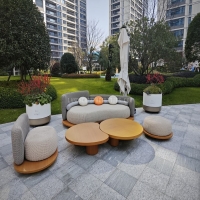
Welcome to the website for landscape facilities products and knowledge.

We're interested in sustainable materials for our entire landscape facility; what are our options?
When you ask about sustainable materials for an entire landscape facility, you’re not just thinking about one bench or a patch of grass – you’re imagining a living, breathing environment that respects the planet while serving people. I’ve walked through countless facilities, and I can tell you: the options are more exciting and practical than ever. Let me walk you through my top choices, based on real-world durability, carbon footprint, and aesthetics.
First, think about hardscapes. For pathways and patios, permeable pavers made from recycled concrete or porcelain are my personal favorites. They allow rainwater to filter back into the ground, reducing runoff and recharging groundwater – all while looking crisp and modern. For decking, I always recommend high-density polyethylene (HDPE) lumber crafted from recycled milk jugs and ocean plastics. It resists rot, never needs staining, and feels warm underfoot. If you want something even more natural, consider locally sourced stone or reclaimed brick from demolished buildings. Each piece carries a story.
Now, let’s talk about structures. For shade pergolas, gazebos, or even a maintenance shed, look into cross-laminated timber (CLT) from certified sustainable forests. It’s incredibly strong, sequesters carbon, and can be left exposed for a warm, organic feel. If you need a more industrial alternative, recycled steel – especially from old shipping containers or scrapped cars – offers 100% recyclability and a longer lifespan than virgin metal. For seating, picnic tables made from crushed oyster shells and recycled resins add coastal charm and resist weather beautifully.
What about the living parts? I’m a huge advocate for native plants in all planting beds. They require less water, no synthetic fertilizers, and provide habitat for local pollinators. Mulch should come from tree trimmings collected on-site or from nearby arborists – it’s free, it’s local, and it breaks down into rich soil. For erosion control on slopes, coir logs (made from coconut husk fibers) are biodegradable and support seedling growth without plastic netting.
Lighting is another area where sustainability shines. Solar-powered LED fixtures with photovoltaic panels built into the post top are now reliable and affordable. They charge during the day and bathe your facility in soft, warm light at night – zero wiring, zero electricity bills. And for water features? A recirculating pump paired with a small-scale greywater filtration system can keep your pond or fountain running on reclaimed water from nearby sinks or rain barrels.
To tie it all together, I’d suggest working with a local landscape architect who specializes in circular design. They can help you map the flow of materials, from salvaged granite curb edging to compost made from cafeteria scraps. Every choice – from the gravel under your benches to the roof tiles on your workshop – can align with your vision of a landscape that gives back more than it takes. The result? A facility that feels alive, purposeful, and resilient in a changing climate.
Related search: