Welcome to the website for landscape facilities products and knowledge.

How does the table’s design accommodate the needs of outdoor coworking or collaborative workspaces?
Outdoor coworking spaces are transforming how teams collaborate, and table design is central to this evolution. Modern outdoor tables are engineered to meet unique environmental and functional demands. First, durability is non-negotiable. Tables are constructed from weather-resistant materials like powder-coated aluminum, marine-grade polymer, or treated teak, ensuring they withstand sun, rain, and temperature fluctuations without warping or corroding.
Beyond resilience, the design prioritizes collaboration. Shapes matter: large rectangular tables facilitate group projects, while round or oval designs encourage inclusive discussion. Many feature modular or connectable units, allowing spaces to be reconfigured for workshops, solo work, or social gatherings. Integrated cable management channels and wireless charging pads address the practical need for power, keeping devices charged without creating trip hazards.
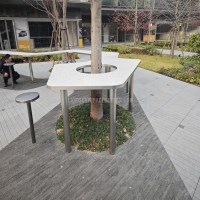
Ergonomics extend outdoors. Adjustable height mechanisms, sometimes manual or pneumatic, accommodate both seated work and standing meetings, promoting movement and comfort. Surfaces are often matte or lightly textured to reduce glare on screens, a critical detail for daytime usability. Some designs incorporate planter boxes or built-in shading elements, blending functionality with biophilic design to reduce stress and boost creativity.
Ultimately, a well-designed outdoor table is more than furniture; it's the anchor of a productive ecosystem. It must foster connection, adapt to tasks, and harmonize with nature—turning any garden, rooftop, or patio into a vibrant hub for innovation and teamwork.
Related search:
Recommendation
An outdoor bar counter with stainless steel and terrazzo materials in an irregular shape






