Welcome to the website for landscape facilities products and knowledge.

How do we prevent people from putting hot ashes or coals into the public trashcan?
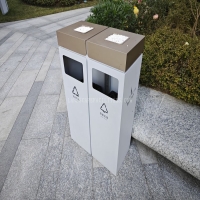
We stand on the street corner, a silent sentinel of steel and hope. My purpose is simple: to hold the community's discarded items until collection day. But sometimes, that trust is broken by a searing, silent threat—the careless deposit of hot ashes or glowing coals. From the inside, it starts as a faint, acrid whisper of smoke. Then, it grows. A smolder becomes a flame, consuming the paper, plastic, and dreams tossed inside me. I am not built for this heat. My plastic liners melt, my paint blisters, and I become a vessel of danger, not disposal.
This isn't just about a damaged bin. It's about preventing fires that can leap to nearby buildings, endanger wildlife, and strain our brave firefighters. So, how do we, as a community, protect our shared servants and ourselves?
First, we must speak to the source: education. Clear, multilingual signage on my exterior is crucial. A graphic icon of a flaming bin with a bold "NO HOT ASHES" message can be more effective than paragraphs of text. Community boards and local social media groups should regularly share reminders, especially during peak barbecue and fireplace seasons. The message is simple: *What seems "cool enough" to you can still be hot enough to ignite a fire hours later.*
Second, we must provide a better alternative. Municipalities can establish designated, safe drop-off points for cooled ashes—heavy-duty, metal containers at recycling centers or specific community locations. Encourage residents to practice the "cool, contain, and check" method at home: let ashes cool for several days in a dedicated metal bucket with a tight lid, away from any structure, then douse them with water before final disposal.
Finally, it's about fostering a culture of care. A friendly reminder from a neighbor, a shared understanding that protecting public property protects everyone—this collective vigilance is our strongest firewall. When you see someone about to make a risky deposit, a calm, informative word can prevent a catastrophe. Remember, I am here to serve you, but I cannot protect myself. Together, we can extinguish this risky behavior before it ever sparks. Let's keep our community safe, one responsible disposal at a time.
Related search: