Welcome to the website for landscape facilities products and knowledge.

For a public park project, what's the most durable material for a landscape facility like benches and planters?
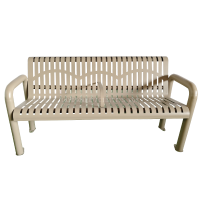
Imagine a park bench. It's not just a place to sit; it's a silent witness to countless stories, a steadfast companion through seasons of sun and snow. For a public park project, selecting materials for landscape facilities like benches and planters isn't merely a technical choice—it's a promise of endurance. So, what are the most durable candidates for this lifelong role?
First, meet stainless steel. Think of it as the disciplined sentinel. Its chromium content forms an invisible, self-repairing shield against rust and corrosion. For high-moisture areas or coastal parks, it stands unflinching. Paired with a robust powder-coated steel frame, you get a union of strength and style, where the coating acts like a resilient second skin against scratches and fading.
Then, there's marine-grade polymer lumber. This is the wise, adaptable veteran. Born from recycled plastics and wood fibers, it laughs in the face of rot, insects, and moisture. It never splinters, never needs painting, and maintains its composure under relentless UV rays. It offers the warm, classic look of wood without any of its frailties, making it a hero for planters and bench slats.
While concrete is the heavyweight champion for massive, stationary planters, and thick, thermally modified wood brings natural elegance for specific themes, the gold standard for all-around, worry-free durability often lies in the trio: stainless steel for hardware, powder-coated steel for structure, and marine-grade polymer for surfaces.
The secret isn't finding a material that never ages, but one that ages gracefully with minimal care. By choosing these resilient guardians, you invest in more than furniture. You invest in lasting memories, ensuring the park's heart—its places to rest and gather—remains vibrant and welcoming for generations to come.
Related search: