Welcome to the website for landscape facilities products and knowledge.

What's the expected lifespan of a resin trashcan versus a metal one?
We stand guard in your kitchens, backyards, and garages—the silent sentinels of daily life. You might think of us as just "trash cans," but my resin and metal brethren have very different stories to tell about endurance. So, let's have a heart-to-heart about our expected lifespans.
As a resin trash can, I'm the lightweight champion. Made from molded plastics like polyethylene, I'm born resistant to rust and chemicals. My expected service life? Under typical residential use—sheltered from extreme sun and without rough handling—I can faithfully serve for about 5 to 10 years. My weakness is ultraviolet light; constant sunbathing makes me brittle. Sharp impacts can crack my shell, and very heavy loads might warp me over time. I'm your reliable, economical indoor or shaded outdoor friend.
Now, let my cousin, the metal trash can (often galvanized steel or aluminum), step forward. He's the old-school tough guy. His galvanized coat fights valiantly against rust. With proper care, avoiding dents and corrosive substances like salty air or acidic waste, he can proudly last 10 to 20 years, or even more. He's unyielding to sun damage and handles heavier loads. But his nemesis is corrosion; once that protective zinc layer is compromised and rust sets in, his structural integrity declines.
The verdict? Your choice shapes our lifespan. For harsh, sunny, or high-impact areas, the metal can is a long-term investment. For lighter, covered, or budget-conscious needs, the resin can offers solid years of service. Ultimately, treat us well—avoid overloading, clean us occasionally, and offer some shelter. We'll return the favor with years of loyal, containing service.
Related search:
Recommendation
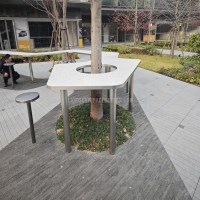
An outdoor bar counter with stainless steel and terrazzo materials in an irregular shape






