Welcome to the website for landscape facilities products and knowledge.

How does the table’s edge design impact user comfort during prolonged use?
When considering furniture for long work or study sessions, we often focus on chair ergonomics and monitor height. However, the design of a table's edge plays a surprisingly critical role in overall user comfort. A poorly designed edge can lead to discomfort, reduced circulation, and even nerve compression over time.
The primary point of contact is the user's forearms and wrists. A sharp, hard edge creates concentrated pressure points, cutting into soft tissue and impeding blood flow. This can cause numbness, tingling, and muscle fatigue in the arms and hands. Conversely, a thoughtfully designed edge distributes pressure evenly across a broader area of the forearm.
Several key design elements determine comfort. The edge profile is most important. A waterfall edge or a rounded bullnose with a generous radius allows the forearm to rest naturally without a sharp line of pressure. The material and padding also contribute; a slightly softer laminate or a built-in lip with a padded rest can enhance comfort significantly. Furthermore, the overhang of the tabletop matters. Adequate overhang provides space for the user to adjust their arm position freely without hitting support structures underneath.
The impact extends beyond the arms. Discomfort in the forearms can lead users to adopt compensatory, poor postures—slouching, hunching the shoulders, or leaning away—which strain the back and neck. Therefore, an ergonomic table edge is a foundational element for maintaining a healthy, sustainable posture throughout the day.
In conclusion, the edge of a table is not a mere finishing detail but a vital ergonomic interface. For environments designed for prolonged use, selecting a table with a softly rounded, well-contoured edge is an essential investment in user well-being, productivity, and long-term physical health. It transforms a table from a simple surface into a supportive component of an ergonomic ecosystem.
Related search:
Recommendation
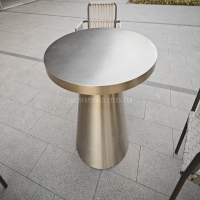
Outdoor Metal Table - Classic Outdoor Furniture, Stainless Steel Table, Durable and Reliable






