Welcome to the website for landscape facilities products and knowledge.

What are the most common materials used for the table’s legs or base, and why?
When selecting a table, the legs or base are crucial for both stability and style. The most common materials are chosen for their unique blend of function, durability, and aesthetics.
Solid wood is a timeless favorite, prized for its inherent strength, natural beauty, and versatility in shaping. From classic turned legs to modern tapered designs, wood offers warmth and can support significant weight, making it ideal for dining and heavy-duty tables.
Metal, particularly steel and aluminum, is the go-to for industrial, modern, and commercial furniture. It provides exceptional strength-to-weight ratio, allowing for sleek, slender profiles that don't compromise stability. Powder-coated finishes enhance durability and offer vast color options.
Engineered wood, like MDF with laminate, is a cost-effective choice for achieving specific painted looks or consistent patterns. While best for lighter loads, it allows for complex, uniform shapes not always feasible with solid wood.
For a blend, many designers combine materials. A wooden top might sit on a wrought iron base for rustic charm, or a glass top on polished brass legs for contemporary elegance. This fusion balances visual interest with structural performance.
Ultimately, the choice hinges on the table's intended use, desired aesthetic, and budget. Wood brings traditional warmth and robustness, metal delivers modern strength and slim lines, while engineered options provide affordable design flexibility. The best material seamlessly unites the table's form with its everyday function.
Related search:
Recommendation
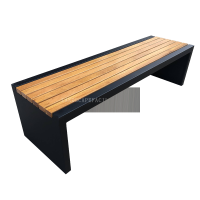
Modern Stainless Steel Begonia Wood Park Chair Outdoor Courtyard Leisure Sun Protection Bench Long Seat






