Welcome to the website for landscape facilities products and knowledge.

How does the table’s design reduce the risk of injury or strain during use?
A well-designed table is a critical tool for preventing physical discomfort and long-term injury. Modern ergonomic principles guide key design features that actively reduce risk. First, adjustable height mechanisms allow users to position the work surface to maintain neutral postures—elbows at 90 degrees and feet flat on the floor—preventing strain in the shoulders, neck, and back. Tables with smooth, rounded edges eliminate sharp corners that can cause impact injuries. Stability is paramount; a robust base and even weight distribution prevent tipping or wobbling during use, which is a common cause of acute strain. Furthermore, sufficient legroom and a clutter-free underside design encourage proper seating position and prevent awkward twisting or compression. Materials also play a role; non-reflective, matte surfaces reduce eye strain, while durable, easy-to-clean tops promote a hygienic and organized workspace, indirectly supporting safer use. Ultimately, a table engineered with human factors in mind transforms a passive piece of furniture into an active partner in maintaining user health and productivity by systematically addressing the biomechanical stressors of daily tasks.
Related search:
Recommendation
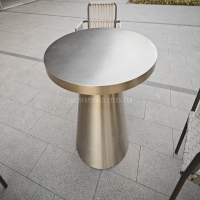
Outdoor Metal Table - Classic Outdoor Furniture, Stainless Steel Table, Durable and Reliable






