Welcome to the website for landscape facilities products and knowledge.

How does the Landscape Round Table handle exposure to chemicals like chlorine or cleaning agents?
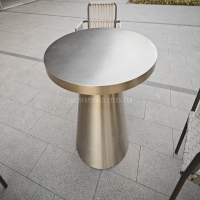
The Landscape Round Table, a common feature in gardens and patios, requires specific strategies to handle exposure to chemicals like chlorine from pools or harsh cleaning agents. Its management begins with material selection. Tables made from high-quality, chemically resistant materials such as powder-coated aluminum, teak, or certain composite polymers inherently withstand corrosive substances better than untreated woods or metals.
Regular and correct maintenance is crucial. For routine cleaning, using mild, pH-neutral soaps with soft cloths is recommended to preserve protective finishes. If stronger disinfectants like diluted chlorine solutions are necessary for sanitization—common in poolside settings—they should be applied sparingly, rinsed immediately with plenty of clean water, and the surface dried thoroughly. This prevents prolonged chemical contact that can degrade sealants or cause discoloration.
The handling protocol emphasizes user safety and table longevity. It is advised to always wear protective gloves during cleaning, work in well-ventilated areas, and strictly follow the chemical manufacturer's dilution guidelines. Immediate wiping of spills, especially from concentrated cleaners or chlorine tablets, is essential to prevent permanent damage.
Furthermore, the Round Table's design often incorporates sealed seams and non-porous surfaces where applicable, minimizing areas where chemicals can penetrate. For tables with umbrellas or fabric components, using bleach-alternative cleaners is vital to prevent fiber degradation. Ultimately, a proactive approach combining resistant materials, gentle yet effective cleaning routines, and prompt spill management ensures the Landscape Round Table remains durable, safe, and aesthetically pleasing despite occasional chemical exposure.
Related search:
Recommendation
Outdoor Metal Table - Classic Outdoor Furniture, Stainless Steel Table, Durable and Reliable






