Welcome to the website for landscape facilities products and knowledge.

What are the most common challenges in ensuring the table’s longevity in high-use public areas?
Ensuring the longevity of tables in high-use public areas presents a multifaceted challenge for facility managers, designers, and business owners. The primary hurdle is intense physical wear and tear. Constant use leads to surface scratches, dents, stains, and structural weakening from shifting weight and impact. This demands materials that are not only hard-wearing but also aesthetically resilient, as appearance degradation can occur long before functional failure.
Material selection is a critical yet complex decision. While extremely durable materials like solid hardwoods, engineered stone, or high-grade metals exist, they often come with a significant cost premium. Conversely, more budget-friendly options may lack the necessary endurance, leading to frequent and costly replacements. The ideal material must balance durability, cost, maintenance needs, and design appeal—a difficult equilibrium to achieve.
Vandalism and intentional abuse pose a persistent threat. Tables in unsupervised areas are susceptible to graffiti, carving, and deliberate damage, requiring surfaces that are easy to clean and repair. Furthermore, exposure to environmental elements—sunlight causing fading and warping, moisture leading to swelling or corrosion—adds another layer of deterioration, especially for outdoor or semi-outdoor installations.
Maintenance itself becomes a logistical challenge. Implementing a consistent cleaning and inspection regimen in a busy public space is difficult. Harsh chemical cleaners can damage finishes over time, while improper techniques can accelerate wear. The need for minimal downtime during repairs or refinishing conflicts with the requirement for constant availability of seating.
Finally, evolving safety and accessibility standards can render once-acceptable tables obsolete. Ensuring designs remain compliant with regulations while withstanding relentless use requires foresight in the initial specification phase. Ultimately, guaranteeing table longevity is an ongoing battle against cumulative stress, demanding a strategic approach from initial material choice through to proactive, informed maintenance.
Related search:
Recommendation
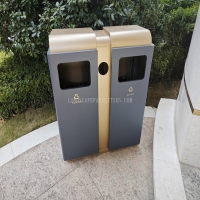
Double-bucket garbage bin, outdoor, metal, multi-color, powder-coated, double-bucket trash can






