Welcome to the website for landscape facilities products and knowledge.

How does the table’s design support the use of place settings or tableware in outdoor dining?
When dining outdoors, the table serves as more than just a surface—it's the foundation of the entire experience. A well-designed outdoor table directly supports the practical use of place settings and tableware through several key features. First, stability and levelness are paramount. Tables with sturdy legs and balanced construction prevent wobbling, ensuring glasses and plates remain secure even on uneven patios or grass. This fundamental stability allows for proper, elegant table setting without constant worry.
Material choice plays a crucial role. Tables made from weather-resistant woods like teak or acacia, powder-coated metals, or synthetic wicker provide a smooth, consistent surface. This prevents tableware from scratching and offers a stable base that doesn't warp or become slick with condensation, which is essential for keeping cutlery and dishes in place. Furthermore, many outdoor tables incorporate practical designs like slightly raised edges or textured tops. These subtle features help contain placemats and prevent plates from sliding, especially during breezy conditions.
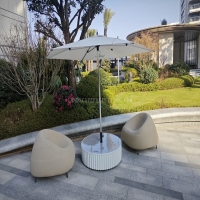
The size and proportions of the table are equally important. A surface with adequate depth allows sufficient space between place settings, accommodating full dinner plates, side plates, and glassware comfortably without a cluttered feel. Some designs integrate functional elements like central channels or built-in holders, perfect for securing umbrellas or placing condiment sets, keeping the main dining area clear for individual place settings. Ultimately, thoughtful outdoor table design merges aesthetics with utility, creating a harmonious stage where tableware is not only displayed beautifully but functions perfectly, transforming a simple meal into a seamless alfresco occasion.
Related search: