Welcome to the website for landscape facilities products and knowledge.

How does the table’s construction minimize the risk of damage from ice or snow accumulation?
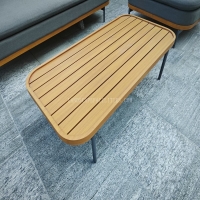
Modern outdoor tables incorporate specific engineering principles to minimize damage from ice and snow accumulation. The primary defense lies in the strategic use of materials. Tables designed for harsh climates utilize weather-resistant alloys, polymers, or treated woods that resist moisture absorption, preventing the expansion and contraction cycles that cause cracking. The construction often features a sloped or rounded tabletop surface, which encourages snow to slide off naturally before it can melt and refreeze into damaging ice layers. Furthermore, critical structural joints are sealed or designed with expansion gaps, allowing the material to flex slightly under thermal stress without breaking. Drainage holes integrated into the tabletop or frame prevent water from pooling and freezing. The underframe is typically built with minimal flat surfaces where snow can accumulate, using open or angled designs. This combination of hydrophobic materials, shedding geometry, and flexible, well-drained construction ensures the table's integrity against the weight of snow and the destructive force of expanding ice.
Related search: