Welcome to the website for landscape facilities products and knowledge.

What are the key factors in selecting materials for the table’s legs or base?
Selecting appropriate materials for table legs and bases requires careful consideration of multiple crucial factors that determine both functionality and aesthetic appeal. Structural integrity stands as the primary concern, where materials must provide adequate support for the table's intended use while maintaining stability under various load conditions. The weight capacity directly influences material choice, with hardwoods like oak and maple offering excellent strength for heavy-duty applications, while metals such as steel and aluminum provide superior load-bearing capabilities for industrial settings.
Material durability represents another critical aspect, particularly for tables subjected to frequent use or potential impact damage. The resistance to wear, scratches, and environmental factors varies significantly between wood species, metal types, and synthetic composites. For high-traffic commercial environments, materials with inherent toughness and easy maintenance characteristics often prove most suitable. Meanwhile, residential applications might prioritize materials that develop character through natural aging and minor wear.
Aesthetic compatibility with the overall design scheme cannot be overlooked, as the base material significantly contributes to the table's visual impact. The choice between warm natural wood grains, sleek metallic finishes, or innovative composite materials should harmonize with the table's intended style and surrounding decor. Furthermore, manufacturing considerations including available tools, joining techniques, and production costs play a substantial role in material selection. Some materials require specialized equipment for proper fabrication, while others offer greater flexibility for custom designs and modifications.
Environmental factors and sustainability have become increasingly important in contemporary material selection. The ecological footprint of material sourcing, production processes, and end-of-life recyclability now influence decisions alongside traditional performance metrics. Additionally, the intended usage environment—whether indoor, outdoor, or in spaces with fluctuating humidity and temperature—dictates specific material requirements regarding moisture resistance, thermal stability, and UV protection.
Budget constraints naturally affect material choices, but should be balanced against long-term value considerations. While initial material costs vary substantially, the lifespan and maintenance requirements of different options significantly impact total cost of ownership. Finally, ergonomic considerations and safety features, such as rounded edges on wooden legs or protective coatings on metal bases, ensure the finished table provides both functional reliability and user comfort.
Related search:
Recommendation
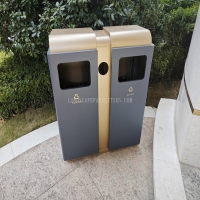
Double-bucket garbage bin, outdoor, metal, multi-color, powder-coated, double-bucket trash can






