Welcome to the website for landscape facilities products and knowledge.

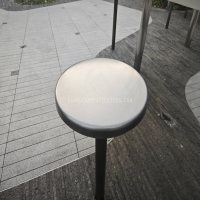
How does the table’s design address concerns about graffiti or intentional damage in public spaces?
In today's urban landscapes, public furniture faces constant challenges from graffiti and intentional damage. Modern table designs address these concerns through multiple innovative approaches that blend aesthetics with practical durability.
The primary defense lies in material selection. Tables constructed from powder-coated steel, marine-grade polymer, or composite materials naturally resist paint adhesion and scratching. These surfaces don't provide the porous canvas that traditional materials offer, making graffiti application difficult and removal straightforward.
Protective coatings represent another crucial element. Many public tables now feature anti-graffiti coatings that create non-porous surfaces. When vandalism occurs, simple pressure washing or mild cleaning solutions can remove markings without damaging the underlying material. Some advanced coatings even incorporate nanotechnology that prevents paint penetration at microscopic levels.
Design intelligence plays an equally important role. Tables are being created with minimal flat surfaces and complex geometries that discourage large-scale graffiti artwork. Rounded edges, textured patterns, and integrated designs break up continuous spaces that might otherwise attract vandals seeking prominent display areas.
The strategic use of color and finish further reduces vandalism appeal. Many manufacturers employ dark colors and matte finishes that naturally camouflage attempted markings. Speckled patterns and granite-like textures help disguise minor scratches and etchings that might occur between maintenance cycles.
Maintenance considerations have been fundamentally integrated into the design process. Tables feature modular components that allow for individual part replacement rather than entire unit disposal. This approach significantly reduces long-term maintenance costs and environmental impact.
Temperature-resistant materials ensure that cleaning methods—including steam cleaning and chemical treatments—can be used effectively without damaging the table's structural integrity. This durability enables municipalities to respond quickly to vandalism incidents, removing markings before they encourage additional damage.
Beyond physical attributes, the psychological aspect of design cannot be overlooked. Tables that appear well-maintained and valued by the community naturally deter potential vandals. The incorporation of artistic elements and quality craftsmanship signals community care, making individuals less likely to deface public property.
Modern public table designs ultimately represent a sophisticated balance between aesthetic appeal and vandalism resistance. Through intelligent material science, protective technologies, and thoughtful design principles, these public assets maintain their functionality and appearance despite the challenges of urban environments. The result is public furniture that serves communities effectively while minimizing maintenance burdens and costs associated with graffiti removal and damage repair.
Related search: