Welcome to the website for landscape facilities products and knowledge.

How does the table perform in extreme weather conditions, such as heavy rain, snow, or high winds?
When investing in outdoor furniture, particularly tables, one crucial question arises: how do these pieces perform when confronted with nature's harshest elements? The performance of an outdoor table in extreme weather conditions—be it torrential rain, heavy snow, or powerful winds—is fundamentally determined by the quality of its materials, construction, and design.
High-quality outdoor tables are engineered to combat relentless rain. Materials like powder-coated aluminum, marine-grade polymer, and certain treated hardwoods (such as teak or eucalyptus) possess inherent water-resistant properties. The powder coating on aluminum creates a protective barrier that prevents rust and corrosion, while marine-grade polymers are designed to repel water without warping, cracking, or fading. Furthermore, tables with integrated drainage channels in the tabletop are particularly effective, as they allow water to escape quickly rather than pooling on the surface and causing potential damage or mildew.
In snowy conditions, the dual threats are weight and moisture. A robust table constructed from solid aluminum or thick, seasoned wood can bear the load of accumulated snow. The key is structural integrity; tables with strong, reinforced legs and sturdy joints are less likely to collapse under pressure. It is, however, generally advisable to brush off heavy snow accumulation to minimize prolonged exposure to moisture. For materials like cast aluminum, the concern of cracking in freezing temperatures is minimal compared to lower-quality metals or certain plastics that can become brittle.
Wind resistance is perhaps the most dynamic challenge. A table's stability is paramount. Designs with a substantial and weighted base are inherently less prone to tipping over. Features like a centrally located umbrella hole can also be a vulnerability if not properly managed; a table with a heavy, offset base is often more stable than a lightweight one with a central pedestal. In areas prone to high winds, securing the table or moving it to a sheltered location during a storm is the most reliable strategy for prevention.
Beyond the table itself, proper maintenance is the final layer of defense. While these tables are built for endurance, using a protective cover during prolonged severe weather or off-seasons can dramatically extend their lifespan. This simple act shields the surface from UV degradation, prevents water from seeping into microscopic cracks, and keeps debris from accumulating.
In conclusion, a well-chosen outdoor table, crafted from superior materials and intelligent design, is not merely a fair-weather friend. It is a resilient piece of furniture capable of withstanding significant environmental stress, allowing you to enjoy your outdoor space with confidence, season after season.
Related search:
Recommendation
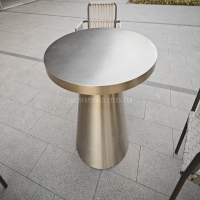
Outdoor Metal Table - Classic Outdoor Furniture, Stainless Steel Table, Durable and Reliable






