Welcome to the website for landscape facilities products and knowledge.

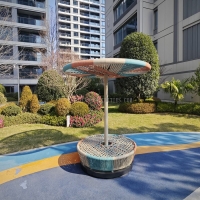
How does the table’s design ensure stability when used in rooftop gardens?
When selecting tables for rooftop gardens, stability becomes paramount due to exposed conditions and elevation challenges. Modern rooftop table designs incorporate several crucial elements to maintain security and prevent accidents.
The foundation of stability begins with weighted bases. Manufacturers strategically distribute weight through solid materials like concrete, powder-coated steel, or stone composites. This low center of gravity counters wind uplift forces that commonly affect elevated spaces. Unlike traditional patio furniture, rooftop-specific tables often feature broader base diameters relative to their tabletop size, creating an anti-tip geometry that resists overturning.
Wind resistance represents another critical design consideration. Perforated tabletops and open framework designs allow wind to pass through rather than accumulate pressure. This aerodynamic approach significantly reduces the sail effect that could otherwise topple conventional solid-top tables. Some advanced models incorporate strategically placed ventilation gaps that disrupt wind flow patterns while maintaining functional surface areas.
Material selection directly impacts performance in fluctuating rooftop conditions. Powder-coated aluminum provides excellent weight-to-strength ratios, while teak and other dense hardwoods offer natural mass that enhances grounding. These materials withstand UV exposure and moisture fluctuations without compromising structural integrity or adding excessive weight to roof structures.
Advanced stabilization features include integrated anchoring systems that secure tables to rooftop pavers or permanent structures. Many designs incorporate adjustable feet with rubberized caps that compensate for uneven surfaces while providing enhanced grip on various materials. These micro-adjustment capabilities ensure full surface contact, eliminating wobble and improving overall stability.
The integration of these design elements creates tables specifically engineered for rooftop environments. Through calculated weight distribution, wind-permeable structures, and adaptive stabilization systems, modern rooftop garden tables maintain security while accommodating the unique challenges of elevated outdoor spaces. This specialized approach transforms potentially hazardous installations into secure, functional additions to urban oases.
Related search: