Welcome to the website for landscape facilities products and knowledge.

What is the table’s resistance to chemical exposure from cleaning products?
The durability of table surfaces against chemical exposure from cleaning agents is a critical factor in maintaining both aesthetic appeal and functional longevity. Different table materials exhibit varying levels of resistance to chemical compounds found in common cleaning products.
Non-porous surfaces like quartz, granite, and properly sealed solid surfaces typically demonstrate excellent chemical resistance. These materials can withstand exposure to most household cleaners, including those containing mild acids and alkaline solutions. The molecular density of these surfaces prevents chemical penetration, making them ideal for environments requiring frequent sanitation.
Engineered wood and laminate tables present moderate resistance characteristics. While their protective melamine layers provide some defense against chemical exposure, prolonged contact with strong cleaners can compromise the surface integrity. Alcohol-based cleaners and abrasive chemicals may cause discoloration or surface degradation over time.
Natural wood tables require particular consideration regarding chemical exposure. The porous nature of wood makes it vulnerable to chemical penetration, which can lead to staining, warping, or finish deterioration. Specialized wood cleaners and immediate wipe-dry practices are essential for maintaining wooden surfaces.
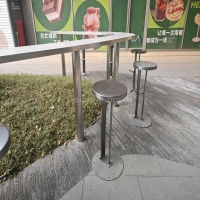
Metal tables, particularly those with powder-coated or anodized finishes, offer substantial chemical resistance. However, chloride-based cleaners or highly acidic solutions can potentially damage protective coatings, leading to corrosion in susceptible environments.
The chemical composition of cleaning products significantly impacts table surfaces. Ammonia-based cleaners can cloud certain finishes, while bleach can oxidize metal components. Understanding pH levels in cleaning solutions is crucial - highly alkaline or acidic products may accelerate surface deterioration regardless of material type.
Proper maintenance protocols involve selecting cleaning products specifically formulated for your table material. Always test new cleaning solutions on inconspicuous areas first and follow manufacturer recommendations for both the table surface and cleaning products. Immediate cleaning of spills and using diluted rather than concentrated solutions can substantially extend your table's resistance to chemical damage.
Regular inspection for signs of chemical wear, such as clouding, etching, or discoloration, helps identify potential issues early. Implementing protective measures like coasters, placemats, and routine sealing (where applicable) further enhances chemical resistance capabilities.
The relationship between table materials and chemical exposure requires balanced consideration of cleaning effectiveness versus surface preservation. By understanding these dynamics, users can make informed decisions about both table selection and maintenance practices to ensure long-term durability against chemical exposure from cleaning products.
Related search: