Welcome to the website for landscape facilities products and knowledge.

How does the table’s design influence the ease of incorporating it into outdoor dining areas?
The integration of dining tables into outdoor spaces depends significantly on their design characteristics. Materials play a crucial role - tables constructed from weather-resistant substances like powder-coated aluminum, teak, or synthetic wicker withstand environmental elements while maintaining aesthetic appeal. The size and proportions determine how comfortably the table fits within patio dimensions, with expandable options offering flexibility for different occasions.
Mobility features transform outdoor table functionality. Lightweight designs with integrated wheels or foldable mechanisms enable easy repositioning according to weather conditions or storage needs. The base configuration equally matters - pedestal bases allow seamless chair placement without leg interference, while cross-base designs provide superior stability on uneven surfaces.
Height variations create distinct dining experiences. Standard-height tables suit formal outdoor meals, whereas counter-height options encourage casual standing gatherings. The visual design language, whether modern minimalist or rustic traditional, must harmonize with existing outdoor decor elements. Practical considerations like integrated umbrellas holes, built-in cooling compartments, or concealed storage compartments further enhance the table's outdoor suitability.
Surface treatments contribute significantly to maintenance requirements. Tables with textured surfaces or special coatings resist staining and require minimal upkeep. The relationship between table design and outdoor integration ultimately balances practical durability with aesthetic coherence, creating inviting al fresco dining environments that withstand seasonal changes while complementing the natural surroundings.
Related search:
Recommendation
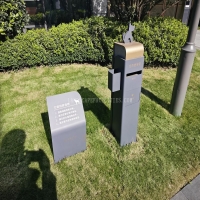
Outdoor cat and dog feces trash can; Community pet trash can; Metal multi-color design






