Welcome to the website for landscape facilities products and knowledge.

What are the key differences between hand-tied and drop-in springs in landscape sofa seating?
When selecting a landscape sofa, the type of springs used in its construction plays a crucial role in determining comfort, durability, and longevity. Two common spring systems are hand-tied springs and drop-in springs, each with distinct characteristics.
Hand-Tied Springs:
Hand-tied springs are individually knotted and tied by hand to a metal frame, creating a highly flexible and supportive seating surface. This method allows for even weight distribution and superior motion isolation, making it ideal for high-end furniture. However, the labor-intensive process increases the cost and requires skilled craftsmanship. Hand-tied springs are known for their durability, often lasting decades with proper care.
Drop-In Springs:
Drop-in springs, also called sinuous or serpentine springs, are pre-assembled units that are "dropped in" and attached to the sofa frame. They are more affordable and quicker to install, making them a popular choice for mass-produced furniture. While they provide decent support, they may sag over time and lack the precision of hand-tied systems.
Key Differences:
1. Construction: Hand-tied springs are meticulously assembled by hand, while drop-in springs are machine-made and pre-assembled.
2. Durability: Hand-tied springs typically outlast drop-in springs due to their reinforced structure.
3. Comfort: Hand-tied springs offer better contouring and motion separation, whereas drop-in springs may feel firmer or less responsive.
4. Cost: Hand-tied sofas are more expensive due to labor costs, while drop-in spring sofas are budget-friendly.
For long-term comfort and quality, hand-tied springs are the superior choice, but drop-in springs provide a practical option for those seeking affordability. Understanding these differences helps in making an informed decision when purchasing landscape sofa seating.
Related search:
Recommendation
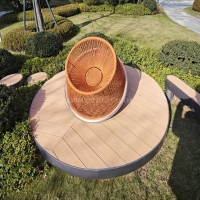
Swivel chair-Specialty steel structure woven rattan leisure chair with rotatable design






