Welcome to the website for landscape facilities products and knowledge.

What are the environmental impacts of producing landscape sofas, and how are manufacturers addressing sustainability?
The production of landscape sofas, like all furniture manufacturing, has significant environmental impacts. These include deforestation for raw materials, high energy consumption during production, and the release of harmful chemicals from synthetic fabrics and finishes. Additionally, transportation of heavy outdoor furniture contributes to carbon emissions, while non-biodegradable materials often end up in landfills.
To address these issues, manufacturers are increasingly adopting sustainable practices. Many are switching to FSC-certified wood or recycled materials like plastic and metal to reduce deforestation and waste. Water-based stains and low-VOC finishes are replacing toxic chemicals, improving indoor and outdoor air quality. Some companies are also investing in carbon-neutral production by using renewable energy and optimizing logistics to minimize transportation emissions.
Innovative brands are designing modular sofas for easy repair and recycling, extending product lifespans. Others offer take-back programs to repurpose old furniture. As consumer demand for eco-friendly options grows, the outdoor furniture industry is making strides toward sustainability – though there's still progress to be made in creating truly circular production systems.
Related search:
Recommendation
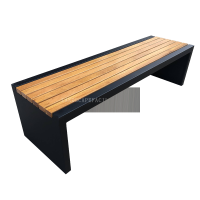
Modern Stainless Steel Begonia Wood Park Chair Outdoor Courtyard Leisure Sun Protection Bench Long Seat






