Welcome to the website for landscape facilities products and knowledge.

How does the frame material (e.g., aluminum, teak, or steel) affect the longevity and performance of a landscape sofa?
The frame material of a landscape sofa plays a critical role in determining its longevity and performance in outdoor environments. Aluminum, teak, and steel are among the most popular choices, each offering unique advantages and challenges.
Aluminum Frames
Aluminum is lightweight, rust-resistant, and highly durable, making it ideal for humid or coastal climates. Its powder-coated finish enhances weather resistance, but prolonged exposure to extreme conditions may cause fading or minor corrosion over time.
Teak Frames
Teak wood is prized for its natural oils, which repel moisture and pests, ensuring long-term durability. However, teak requires periodic maintenance, such as oiling, to prevent graying and cracking. Its classic aesthetic suits traditional and rustic outdoor settings.
Steel Frames
Steel offers unmatched strength and stability, often used in modern designs. While powder-coated steel resists rust, untreated or damaged coatings can lead to corrosion. Heavyweight steel frames are less prone to tipping but may be harder to move.
Performance Considerations
- Durability: Steel > Teak > Aluminum (varies by treatment).
- Maintenance: Teak requires the most upkeep, while aluminum is low-maintenance.
- Aesthetic Flexibility: Aluminum and steel suit contemporary styles, whereas teak excels in natural or classic designs.
Choosing the right frame material depends on climate, design preferences, and maintenance willingness. Investing in quality materials ensures a landscape sofa remains functional and stylish for years.
Related search:
Recommendation
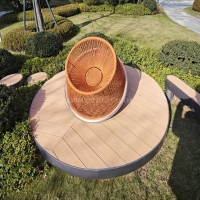
Swivel chair-Specialty steel structure woven rattan leisure chair with rotatable design






