Welcome to the website for landscape facilities products and knowledge.

What are the most common design inspirations for landscape bar counters, and how do they vary by region?
The design of landscape bar counters draws from diverse cultural, environmental, and architectural influences that vary significantly across regions. These outdoor entertainment spaces blend functionality with aesthetic harmony, creating seamless transitions between built environments and natural landscapes.
In Mediterranean regions, bar counters often feature rustic elements inspired by coastal living. Whitewashed stucco surfaces, terracotta tiles, and reclaimed wood dominate these designs, complemented by wrought iron details and built-in seating areas. The inspiration comes from traditional tavernas and vineyard culture, emphasizing shade structures like pergolas draped with grapevines or bougainvillea. These designs prioritize ventilation and heat resistance, using materials that stay cool under the sun while creating a casual, convivial atmosphere for social gatherings.
Tropical and Balinese-inspired landscape bars incorporate organic materials and open-air concepts. Thatched roofs from sustainable nipa palm, teak wood countertops, and natural stone accents characterize these designs. The inspiration derives from traditional beach bars and resort living, featuring integrated planters with tropical foliage, water elements like small fountains, and dramatic lighting using lanterns or bamboo fixtures. These bars often include swim-up features or proximity to pools, emphasizing biophilic design principles that blur boundaries between structure and jungle environment.
Contemporary Western designs, particularly from California and Australia, showcase minimalist approaches with clean lines and sustainable materials. Concrete countertops with integrated drainage, stainless steel appliances rated for outdoor use, and composite decking materials define this style. The inspiration comes from indoor-outdoor living philosophies, featuring retractable glass walls, built-in barbecue stations, and fire pit integrations. These designs often include sophisticated lighting systems and weather-resistant cabinetry, prioritizing low maintenance while creating sleek entertainment spaces for year-round use.
Asian-inspired landscape bars, particularly from Japanese and Thai traditions, emphasize harmony and natural elements. Japanese designs feature minimalist bars with bamboo accents, stone surfaces, and precise geometric layouts inspired by Zen gardens. Thai-inspired bars incorporate intricate carvings, gold leaf details, and elevated platforms overlooking water features. Both styles prioritize subtle lighting, often using paper lanterns or concealed LED strips, and incorporate traditional roofing techniques that provide shelter while maintaining air circulation in humid climates.
Nordic-inspired outdoor bars reflect Scandinavian functionality and connection to nature. These designs use thermally treated wood that withstands harsh weather, simple geometric forms, and integrated heating elements like fire tables or overhead infrared heaters. The inspiration comes from traditional Swedish summer houses and Finnish sauna culture, featuring practical storage solutions and convertible designs that accommodate seasonal changes. Neutral color palettes with occasional bright accents mirror the midnight sun and aurora borealis influences.
Middle Eastern and Mediterranean fusion designs incorporate mosaic tile work, arched openings, and luxurious materials like marble and brass. Inspired by riad courtyards and traditional coffee culture, these bars often feature central fire features, elaborate water displays, and rich fabric canopies for shade. The designs prioritize social seating arrangements in circular or U-shaped configurations, encouraging communal interaction under stars or elaborate lighting fixtures.
The regional variations demonstrate how landscape bar counters adapt to local climates, cultural practices, and available materials. From the rustic simplicity of Mediterranean designs to the intricate details of Asian-inspired bars, each style reflects its geographical context while solving universal challenges of outdoor entertainment. Modern interpretations increasingly blend these regional influences, creating hybrid designs that incorporate sustainable technologies while honoring traditional craftsmanship and material palettes specific to each culture's relationship with outdoor living and social gathering traditions.
Related search:
Recommendation
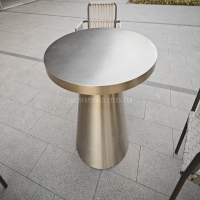
Outdoor Metal Table - Classic Outdoor Furniture, Stainless Steel Table, Durable and Reliable






