Welcome to the website for landscape facilities products and knowledge.

How can a landscape bar counter be designed to reflect the architectural style of the surrounding buildings?
Designing a landscape bar counter that reflects the architectural style of surrounding buildings requires a thoughtful approach to contextual integration. The most successful designs begin by analyzing the predominant materials, colors, and forms present in the existing architecture. For historical buildings, this might mean incorporating traditional materials like brick or stone that match the original construction, while contemporary structures might call for sleek metals or polished concrete that echo modern aesthetic principles.
The form language of the bar counter should respond to the architectural vocabulary of its environment. In areas with strong geometric patterns or distinctive rooflines, the bar design might incorporate similar angles or proportions to create visual continuity. For buildings with organic forms or natural inspiration, flowing curves and biomimetic shapes can help establish a harmonious relationship between the new installation and existing structures.
Material selection plays a crucial role in achieving architectural harmony. Rather than simply matching materials exactly, consider complementary textures and colors that create dialogue between old and new. A bar counter adjacent to a historic brick building might feature reclaimed brick elements alongside contrasting contemporary materials that acknowledge both history and modernity. This approach respects the existing architecture while creating a distinctive identity for the bar itself.
The scale and proportion of the bar counter should relate to human scale while also responding to the building massing around it. In urban environments with tall buildings, a more substantial bar structure might be appropriate, while in low-rise historic districts, a lighter, more transparent design could better preserve views and maintain the character of the area. The height and depth of the counter should create comfortable social spaces while respecting the architectural sight lines and spatial relationships established by surrounding structures.
Lighting design offers another opportunity for architectural integration. The lighting strategy should complement how surrounding buildings are illuminated at night, whether through warm ambient lighting that matches traditional street lighting or more dramatic architectural lighting that highlights both the bar counter and adjacent facades. Consistent lighting temperatures and carefully directed light can create a cohesive nighttime environment that enhances both the functionality of the bar and the beauty of its architectural context.
Ultimately, the most successful landscape bar designs don't imitate surrounding architecture but rather interpret it through contemporary design thinking. By understanding the principles, materials, and forms that define the local architectural character, designers can create bar counters that feel both appropriate to their setting and excitingly new. This approach respects community context while providing innovative social spaces that enhance rather than simply copy their architectural surroundings.
Related search:
Recommendation
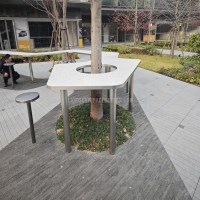
An outdoor bar counter with stainless steel and terrazzo materials in an irregular shape






