Welcome to the website for landscape facilities products and knowledge.

What are the acoustic considerations when designing a landscape bar counter to minimize noise disruption in outdoor spaces?
Designing landscape bar counters for outdoor spaces requires thoughtful acoustic planning to maintain enjoyable ambiance while minimizing noise pollution. The strategic integration of sound-absorbing materials in counter construction forms the foundation of effective noise control. Materials such as porous concrete, acoustic composites, or specially treated wood can significantly reduce sound reflection while maintaining aesthetic appeal.
The spatial arrangement of bar elements plays a crucial role in noise management. Positioning the bar counter away from sound-reflective surfaces and incorporating natural sound barriers like vegetation walls or water features creates effective sound buffers. The strategic placement of acoustic baffles above the serving area, designed to blend with the landscape architecture, can disrupt sound waves before they travel to adjacent spaces.
Ground surface selection around the bar area substantially impacts acoustic performance. Permeable surfaces such as gravel, grass, or acoustic decking absorb footfall noise and reduce sound reflection compared to hard surfaces. Incorporating subtle elevation changes and terracing around the bar area can naturally contain sound within designated zones while enhancing the visual landscape.
Advanced acoustic engineering solutions include integrating hidden sound-absorbing panels beneath counter overhangs and within surrounding structures. These specialized materials target the frequency ranges most commonly associated with conversational noise and glassware sounds. The implementation of strategic lighting can also influence acoustic perception, as warmer, well-directed lighting tends to subconsciously encourage moderated vocal levels among patrons.
Sustainable acoustic solutions incorporate living walls with dense vegetation that provide both visual screening and sound absorption. The selection of plant species with broad leaves and complex surface structures enhances this noise-reducing effect. Additionally, incorporating canopy structures with sound-absorbing properties overhead addresses both weather protection and acoustic control needs.
Modern landscape bar designs often include subtle electronic sound masking systems that emit carefully calibrated ambient noise to neutralize disruptive sounds. These systems blend natural soundscapes with precisely tuned frequencies to maintain acoustic comfort without detectable artificial noise. The integration of these technologies with traditional design elements creates outdoor bar environments that achieve optimal acoustic performance while preserving the open-air experience essential to outdoor hospitality venues.
Related search:
Recommendation
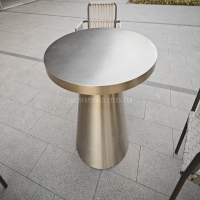
Outdoor Metal Table - Classic Outdoor Furniture, Stainless Steel Table, Durable and Reliable






