Welcome to the website for landscape facilities products and knowledge.

How do landscape tables perform in high-wind environments, and what design features improve stability?
Landscape tables are a popular choice for outdoor spaces, but their performance in high-wind environments can be a concern. Understanding how these tables withstand strong winds and the design features that improve stability is essential for long-term durability.
In high-wind conditions, lightweight or poorly anchored landscape tables may tip over or sustain damage. However, tables with robust construction, such as those made from heavy materials like concrete, stone, or thick metal, tend to perform better. Additionally, designs with low profiles and wide bases distribute wind force more evenly, reducing the risk of tipping.
Key design features that enhance stability include:
1. Weighted Bases: Tables with heavier materials or built-in ballast resist wind uplift.
2. Anchoring Systems: Options like ground stakes or bolting to permanent surfaces prevent shifting.
3. Aerodynamic Shapes: Rounded or slatted designs minimize wind resistance.
4. Low Center of Gravity: Shorter tables with wide legs or solid pedestals are less prone to toppling.
5. Durable Materials: Powder-coated metals, treated hardwoods, or composite materials withstand weathering.
For optimal performance, consider the local wind patterns and choose a table designed for those conditions. Proper installation, such as securing the table to a patio or using weighted accessories, further improves stability. By selecting the right design and materials, landscape tables can remain functional and attractive even in challenging environments.
Whether for residential patios or commercial outdoor spaces, investing in wind-resistant landscape tables ensures longevity and safety. Prioritizing stability-focused features will enhance both usability and aesthetic appeal in any high-wind setting.
Related search:
Recommendation
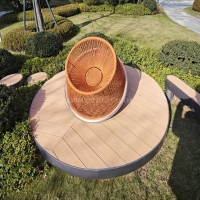
Swivel chair-Specialty steel structure woven rattan leisure chair with rotatable design






