Welcome to the website for landscape facilities products and knowledge.

How do landscape tables incorporate anti-microbial surfaces for improved hygiene?
Landscape tables are increasingly incorporating anti-microbial surfaces to address hygiene concerns in outdoor and public spaces. These surfaces are treated with specialized coatings or materials that inhibit the growth of bacteria, mold, and other harmful microorganisms. Common anti-microbial agents include silver ions, copper alloys, or chemical additives embedded into the table’s finish.
The benefits of such surfaces are clear: they reduce the risk of cross-contamination, require less frequent cleaning, and maintain a cleaner appearance over time. This is particularly valuable in high-traffic areas like parks, restaurants, and office courtyards, where shared surfaces can become breeding grounds for germs.
Manufacturers achieve this by using durable materials like powder-coated metals or composite woods infused with anti-microbial properties. Some designs even feature self-cleaning technologies that activate under sunlight or moisture. By integrating these innovations, landscape tables not only enhance hygiene but also extend their lifespan, making them a smart investment for public and commercial spaces.
For optimal results, regular maintenance is still recommended, but anti-microbial surfaces significantly lower the burden of upkeep while promoting healthier environments. As hygiene awareness grows, these advancements are setting new standards for outdoor furniture design.
Related search:
Recommendation
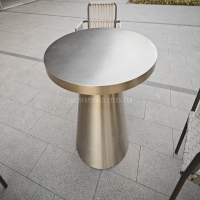
Outdoor Metal Table - Classic Outdoor Furniture, Stainless Steel Table, Durable and Reliable






