Welcome to the website for landscape facilities products and knowledge.

What are the key differences between metal, wood, and composite landscape tables in terms of longevity?
When choosing landscape tables for outdoor spaces, longevity is a critical factor. Metal, wood, and composite materials each offer distinct advantages and drawbacks in terms of durability.
Metal Landscape Tables:
Metal tables, often made from aluminum or steel, are highly durable and resistant to pests. Aluminum is rust-proof, making it ideal for humid climates, while powder-coated steel offers extra protection against corrosion. However, metal can become uncomfortably hot in direct sunlight and may dent or scratch over time.
Wood Landscape Tables:
Wooden tables, especially those made from teak or cedar, have a natural aesthetic and can last decades with proper maintenance. However, wood is prone to rot, warping, and insect damage if not regularly treated. Pressure-treated lumber extends longevity but requires periodic sealing.
Composite Landscape Tables:
Composite materials, blending wood fibers and plastics, offer excellent resistance to moisture, UV rays, and insects. They require minimal upkeep and won’t splinter or fade easily. However, high-quality composites can be costly, and cheaper versions may sag or discolor over time.
Conclusion:
For maximum longevity with low maintenance, composite tables are the best choice. Metal is ideal for harsh weather conditions, while wood suits those who prioritize natural beauty and don’t mind upkeep. Choose based on your climate, budget, and design preferences.
Related search:
Recommendation
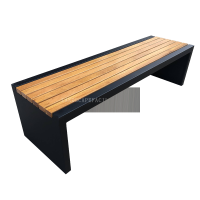
Modern Stainless Steel Begonia Wood Park Chair Outdoor Courtyard Leisure Sun Protection Bench Long Seat






