Welcome to the website for landscape facilities products and knowledge.

Are there any specific guidelines for using the Landscape Square table in urban or city environments?
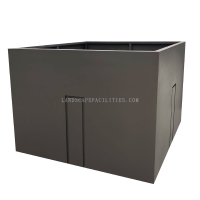
Integrating Landscape Square tables into urban environments requires careful consideration of both functional and aesthetic guidelines. These substantial concrete tables serve as permanent public furniture, demanding strategic placement that complements pedestrian flow while creating natural gathering points. Municipal guidelines typically specify installation on stable, level surfaces with proper subsurface preparation to prevent shifting or settling over time. Accessibility standards mandate clear pathways around installations, maintaining required widths for wheelchair users and ensuring tables don't obstruct emergency routes.
Material specifications for urban use emphasize reinforced concrete with sealed surfaces to withstand weathering, graffiti, and frequent cleaning. Frost-resistant construction is essential in temperate climates to prevent cracking during freeze-thaw cycles. Many cities require embedded lighting or reflective elements for nighttime visibility and safety. The tables' monolithic design should harmonize with surrounding architectural styles—industrial finishes suit revitalized districts while textured concrete complements traditional civic spaces.
Placement guidelines suggest clustering tables near public transit stops, park entrances, or food vendor areas to maximize utility. Minimum distances from roadways (usually 3-5 meters) reduce noise and pollution exposure. Successful installations often incorporate complementary landscaping—planting beds within table openings or perimeter greenery that softens the hardscape. Maintenance protocols should address regular inspection for structural integrity, surface cleaning without damaging the concrete, and seasonal considerations like snow removal or leaf accumulation.
Urban planners emphasize creating "activity zones" where these tables anchor larger social spaces alongside waste receptacles, lighting, and bicycle racks. The tables' square format naturally facilitates multiple group configurations, supporting everything from casual lunch breaks to organized community events. By following these specific guidelines, cities transform simple concrete structures into vital components of the urban fabric that encourage social interaction and extend usable public space.
Related search: