Welcome to the website for landscape facilities products and knowledge.

How does the table’s surface handle the placement of wet or muddy shoes or boots?
Placing wet or muddy shoes or boots directly on a table's surface is strongly discouraged, as it can cause immediate and often lasting damage. The table's ability to handle such contact depends almost entirely on its material and finish.
Non-porous, sealed surfaces like glass, high-pressure laminate, or heavily lacquered wood offer the best resistance. Water and dirt may not penetrate immediately, allowing for quick cleanup without staining. However, abrasive mud can still scratch even these hard surfaces. For natural wood, stone, or unsealed tables, the risk is high. Water causes warping and staining in wood, while mud seeps into porous materials like travertine or concrete, leaving permanent marks.
The primary concern is moisture infiltration. Prolonged contact can break down adhesives in engineered wood and compromise protective finishes, leaving the core material vulnerable. Dirt and grit act as abrasives, microscratching the surface and dulling its appearance over time.
For accidental contact, promptly remove the footwear. Blot—do not wipe—excess moisture with a dry cloth to avoid spreading. For mud, let it dry completely, then gently brush off the bulk before cleaning with a material-appropriate cleaner. Prevention is key. Establish a household rule against placing footwear on tables. Use dedicated mats, trays, or a separate bench near the entryway for removing wet outdoor gear. For tables in mud-prone areas like patios, selecting materials specifically designed for durability, such as powder-coated metal or synthetic wicker, is the most effective long-term solution. Ultimately, a table's surface is designed for dining and decor, not as a boot rack; proactive care preserves its function and beauty.
Related search:
Recommendation
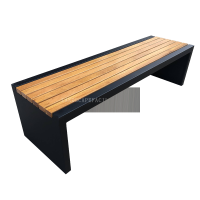
Modern Stainless Steel Begonia Wood Park Chair Outdoor Courtyard Leisure Sun Protection Bench Long Seat






