Welcome to the website for landscape facilities products and knowledge.

What is the table’s resistance to damage from exposure to plant fertilizers or pesticides?
The question of a table's resistance to damage from exposure to plant fertilizers or pesticides is crucial for gardeners, homeowners, and anyone using tables in spaces where these chemicals are present. The resistance is not a single answer but depends primarily on the table's material composition and the finish applied to its surface.
Non-porous, inert materials generally offer the highest level of protection. Tables made from tempered glass, high-quality ceramic tile, solid surface materials (like Corian), or certain engineered quartz are highly resistant. Their non-absorbent nature prevents liquids from seeping in, allowing for quick cleanup before damage occurs. Most plastics and laminates also perform well, though some strong solvents in pesticides may cause discoloration or softening over time.
For wooden tables, the finish is the critical barrier. A thick, high-quality polyurethane, epoxy resin, or marine-grade varnish can create a robust shield against occasional splashes. However, unfinished wood, oil-finished wood, or tables with worn seals will readily absorb these chemicals, leading to stains, discoloration, and potential surface degradation. Natural stone like marble is particularly vulnerable due to its acidity sensitivity; many fertilizers are acidic and can etch the polish instantly.
Metal tables, such as those made from powder-coated aluminum or stainless steel, typically exhibit excellent resistance. The powder coat acts as a durable barrier, while stainless steel's chromium oxide layer provides inherent corrosion resistance. However, prolonged contact or highly corrosive chemical mixtures can potentially compromise even these materials.
Key factors influencing damage include the chemical's concentration, the duration of contact, and the presence of additives or surfactants that enhance penetration. The best practice is always immediate cleanup. Wipe any spill promptly with a damp cloth and mild detergent. For added protection on vulnerable materials, use protective tablecloths, mats, or reapply protective sealants regularly as recommended. Ultimately, a table's resilience is defined by its material science and the proactive care taken by its owner.
Related search:
Recommendation
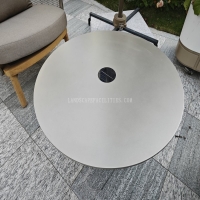
Outdoor stainless steel table with solar-powered ambient lighting feature - excellent design.






