Welcome to the website for landscape facilities products and knowledge.

What is the table’s resistance to damage from exposure to agricultural chemicals?
In the demanding environment of modern agriculture, furniture—particularly work tables—faces constant exposure to potent chemicals. These include fertilizers, pesticides, herbicides, and cleaning agents that can degrade many materials. The resistance of a table to such exposure is primarily determined by its surface material and protective finishes.
High-performance tables designed for agricultural use often feature non-porous, inert surfaces. Stainless steel is a premier choice due to its exceptional corrosion resistance and ease of cleaning. For a more cost-effective solution, high-density polyethylene (HDPE) and epoxy resin coatings offer robust barriers against chemical penetration and corrosion. These materials prevent absorption, which can lead to staining, weakening, or bacterial growth.
The construction quality is equally critical. Seams and edges should be seamlessly welded or sealed to eliminate crevices where chemicals can pool and cause damage. Furthermore, tables rated for agricultural chemical resistance often undergo standardized testing (like ANSI/NSF standards) to validate their performance against specific chemical agents.
Ultimately, a table's longevity in these settings depends on selecting the right material for the expected chemical profile, ensuring proper construction, and committing to regular maintenance. Investing in chemically resistant furniture safeguards not only the asset itself but also promotes a safer, more hygienic, and efficient workspace for farm operations and agri-research.
Related search:
Recommendation
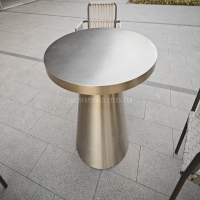
Outdoor Metal Table - Classic Outdoor Furniture, Stainless Steel Table, Durable and Reliable






