Welcome to the website for landscape facilities products and knowledge.

What is the table’s compatibility with different types of tablecloths or covers?
Selecting the right tablecloth involves more than just aesthetics; it's about ensuring compatibility with your table's material, shape, and intended use. The ideal cover protects the surface while enhancing your decor.
For classic wooden tables, most fabrics work well. Cotton, polyester blends, and linen are excellent choices. Use a protective felt pad underneath to prevent scratches from heavy centerpieces. Avoid prolonged use of damp or vinyl covers without a breathable barrier, as moisture can damage the wood finish.
Glass-top tables offer great versatility. Virtually any cloth material is compatible, but non-slip pads or tablecloth grippers are essential to prevent slipping. Sheer or lace covers can create elegant looks while showcasing the glass beneath.
Metal tables, common in outdoor or industrial settings, pair best with durable, easy-clean fabrics. Solution-dyed acrylic, polyester, or vinyl are ideal for resisting weather and stains. Ensure the cloth is quick-drying to prevent water spots or rust promotion on certain metals.
The table's shape dictates the cloth's cut. Rectangular and oval tables require correspondingly shaped covers for a proper drape. Round cloths are meant for round tables. For a formal look, aim for a drop (overhang) of 6-12 inches; casual settings can allow 4-6 inches.
Consider function. For formal dining, elegant damask or long linen cloths are suitable. For family meals with children, stain-resistant and machine-washable fabrics are practical. Outdoor tables require UV-resistant and waterproof materials.
Ultimately, compatibility hinges on matching the cloth's practicality to the table's material and your lifestyle. The perfect pairing ensures both lasting protection and timeless style for every occasion.
Related search:
Recommendation
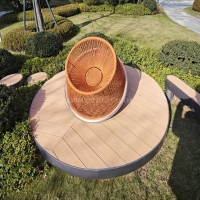
Swivel chair-Specialty steel structure woven rattan leisure chair with rotatable design






