Welcome to the website for landscape facilities products and knowledge.

What is the table’s resistance to damage from tree sap or pollen?
The resistance of a table to damage from tree sap or pollen primarily depends on its surface material and protective finish. Modern outdoor and patio tables are often designed with this specific environmental challenge in mind.
High-pressure laminate, powder-coated metal, and synthetic wicker typically offer excellent resistance. These non-porous materials prevent sap and pollen from penetrating the surface, allowing for easy wipe-down with a damp cloth. For wood tables, the key is the sealant. A high-quality polyurethane, epoxy, or marine-grade varnish creates a robust barrier. Without this protective layer, sap can bond chemically with porous wood, causing stubborn stains, while pollen can clog the grain.
Regular maintenance is crucial. Promptly remove sap with a mild soap solution or recommended cleaner; avoid harsh abrasives. Pollen should be rinsed or dusted off frequently to prevent a gritty, abrasive layer from forming. For ultimate protection, consider using a fitted table cover during peak pollen or sap seasons.
In summary, a table's resilience is a combination of its inherent material properties and the quality of its applied finish. With the right selection and simple, consistent care, your table can maintain its appearance and integrity for years despite exposure to these natural elements.
Related search:
Recommendation
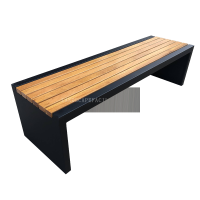
Modern Stainless Steel Begonia Wood Park Chair Outdoor Courtyard Leisure Sun Protection Bench Long Seat






