Welcome to the website for landscape facilities products and knowledge.

How does the table’s design support outdoor dining experiences in different seasons?
Outdoor dining transforms with the seasons, and thoughtful table design is fundamental to enjoying meals outside year-round. A well-designed outdoor table addresses seasonal challenges through material selection, structural features, and functional adaptability.
For summer's intensity, tables with integrated shading solutions or heat-reflective surfaces like ceramic tops prevent discomfort. Materials such as powder-coated aluminum or teak resist UV damage and remain cool to the touch. In autumn and spring, designs featuring built-in or compatible heating element accommodations extend usability into cooler evenings. Tables with sealed, non-porous surfaces like high-density polyethylene quickly shed rain and morning dew.
Winter demands robust durability. Tables constructed from frost-resistant materials like certain concretes or all-weather wickers withstand freeze-thaw cycles. Designs that allow for easy covering or conversion—such as tables with central fire pit inserts—create cozy focal points. Year-round, the right proportions matter: slightly taller tables improve ergonomics when used with thick seasonal chair cushions, while rounded corners accommodate layered clothing.
Ultimately, the best outdoor tables are performance objects. Their design success is measured not by a single season's use, but by providing a stable, comfortable, and inviting platform for gathering, regardless of what the weather brings. This seamless integration of resilience and aesthetics turns a simple table into the cornerstone of lasting outdoor memories.
Related search:
Recommendation
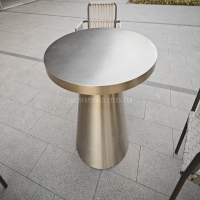
Outdoor Metal Table - Classic Outdoor Furniture, Stainless Steel Table, Durable and Reliable






