Welcome to the website for landscape facilities products and knowledge.

How does the table’s design address potential issues with outdoor dust?
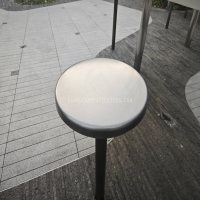
Outdoor furniture, particularly tables, faces constant exposure to environmental dust. Intelligent design directly addresses this challenge through specific material choices and structural features. High-quality outdoor tables often utilize non-porous materials like powder-coated aluminum, tempered glass, or dense synthetic wicker. These surfaces lack the tiny grooves or textures where dust and pollen can easily settle, allowing for quick wipes or for rain to wash particles away seamlessly.
Beyond material science, design elements play a crucial role. Many models incorporate slight, intentional tilts in tabletops or integrated channels that guide dust and water off the surface rather than letting them pool. Tables with minimalist frameworks and smooth, seamless joins eliminate hard-to-clean corners and crevices. Furthermore, designs that prioritize easy disassembly or have removable tops facilitate thorough cleaning underneath, preventing dust from becoming compacted in inaccessible areas.
The integration of these features means maintenance becomes remarkably simple. Regular upkeep often requires just a brief rinse with a garden hose or a swift wipe with a damp cloth. This proactive design philosophy shifts the focus from constant cleaning to enduring enjoyment, ensuring your outdoor table remains a clean, inviting centerpiece with minimal effort, regardless of the season's dust.
Related search: