Welcome to the website for landscape facilities products and knowledge.

How does the table’s design accommodate outdoor lighting fixtures?
The integration of lighting into outdoor table design transforms patios, decks, and gardens into functional, inviting spaces after sunset. Modern tables accommodate lighting through several innovative methods. A primary approach is built-in or integrated lighting. Tables may feature recessed LED strips within the table apron, discreet downlights in the base, or even fiber-optic strands woven into the tabletop surface, providing ambient glow without glare. This seamless integration ensures a clean, modern look and eliminates the need for separate, cumbersome lamps.
Another common design accommodation is the incorporation of mounting points or central fixtures. Many market umbrellas designed for table use come with a center pole that can support a hanging lantern or a built-in LED light panel. Similarly, some fire pit tables or dining tables include a central column designed to hold a lantern or a small, protected candle array. For added flexibility, designers are creating tables with dedicated channels, grooves, or weighted bases specifically to secure battery-powered or solar-powered lanterns, string lights, or slender candle holders, preventing them from tipping over in the breeze.
Crucially, the materials and construction are engineered to protect the lighting elements. Tables designed for integrated fixtures use weather-resistant, waterproof materials for housings and durable, sealed diffusers for LEDs. Electrical components, if hardwired, are housed in IP-rated enclosures to withstand rain and humidity. The table's structure often provides a sheltered niche for lights, shielding them from direct exposure. Ultimately, this thoughtful accommodation enhances safety by illuminating the surface for dining and socializing, extends the usability of outdoor living areas, and creates a captivating atmosphere where design meets practical illumination.
Related search:
Recommendation
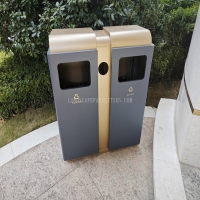
Double-bucket garbage bin, outdoor, metal, multi-color, powder-coated, double-bucket trash can






