Welcome to the website for landscape facilities products and knowledge.

How does the table’s surface finish impact its durability and appearance?
The surface finish of a table is far more than a final aesthetic touch; it is a critical protective layer that directly dictates the piece's durability and defines its visual character. Essentially, the finish is a shield, safeguarding the underlying material—whether wood, metal, or glass—from daily wear, moisture, spills, and UV damage. Its impact on both longevity and appearance is profound.
A durable finish acts as a sacrificial barrier. For instance, a high-quality polyurethane or catalyzed lacquer creates a hard, resilient film that resists scratches, heat rings, and liquid penetration. A table with such a finish in a busy dining room will withstand years of use while keeping the core material pristine. Conversely, an oil or wax finish, while beautiful and tactile, offers minimal protection. It enhances the wood's grain but requires frequent reapplication to prevent stains and water marks, making it less durable for high-traffic areas.
The finish is equally pivotal for appearance. It controls light reflection and enhances color. A high-gloss lacquer delivers a mirror-like, formal, and modern look, making colors appear deeper but highlighting every fingerprint and flaw. A satin or matte finish provides a soft, contemporary sheen that conceals minor scratches and is easier to maintain, promoting a casual or rustic feel. The finish also alters color: an oil-based polyurethane imparts a warm, amber tone to wood, while a water-based version maintains a clearer, truer color.
Popular finishes like polyurethane offer excellent durability with various sheen levels. Lacquer provides a hard, sleek coat but can be brittle. Natural oil finishes penetrate the wood, offering a rich, matte look but less surface protection. The choice involves a trade-off: maximum durability often comes with a more manufactured look, while finishes that highlight natural beauty typically demand more careful maintenance.
Ultimately, selecting a table finish is a balance between lifestyle and style. For families, a durable satin polyurethane might be ideal. For a low-use display piece, a delicate oil finish could be perfect. Understanding this interplay ensures your table remains both beautiful and functional for years to come. Regular, gentle cleaning with appropriate products will preserve any finish's integrity, protecting your investment in both the table's appearance and its durability.
Related search:
Recommendation
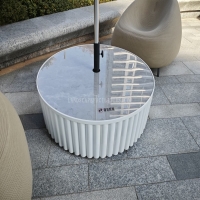
Round metal tube border design table with tempered glass or granite countertop on the top.






