Welcome to the website for landscape facilities products and knowledge.

How does the bin’s design accommodate different waste collection service providers?
The design of waste bins has evolved significantly to accommodate the diverse needs of waste collection service providers, ensuring efficiency and compatibility across urban environments. Modern bins incorporate standardized dimensions, durable materials, and smart features to seamlessly integrate with various collection systems.
1. Standardized Dimensions: Many bins adhere to universal size guidelines, allowing them to fit collection trucks from different providers without modification. This reduces operational delays and costs.
2. Material Durability: High-density polyethylene (HDPE) and corrosion-resistant metals ensure bins withstand harsh conditions, meeting the requirements of both municipal and private waste services.
3. Smart Technology Integration: RFID tags and fill-level sensors enable providers to optimize collection routes, reducing fuel consumption and improving service reliability.
4. Modular Designs: Some bins feature adjustable compartments for recyclables, organic waste, and general trash, catering to providers with specialized collection programs.
5. Ergonomic Features: Handles, wheels, and lightweight designs simplify manual handling, benefiting smaller service providers without automated lifting systems.
By prioritizing flexibility and innovation, modern bin designs bridge the gap between waste generators and collection services, fostering sustainable urban ecosystems.
Related search:
Recommendation
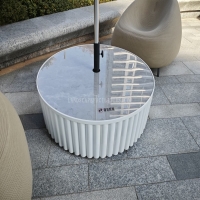
Round metal tube border design table with tempered glass or granite countertop on the top.






