Welcome to the website for landscape facilities products and knowledge.

How does the bin handle sharp or hazardous waste materials?
Proper disposal of sharp or hazardous waste materials is crucial for safety and environmental protection. Bins designed for such waste typically feature specialized mechanisms to prevent injuries and contamination.
For sharp objects like needles, broken glass, or metal scraps, puncture-resistant containers are used. These bins are often made of thick plastic or metal, with secure lids to prevent accidental exposure. Many also include labeling to warn handlers of the contents inside.
Hazardous materials, such as chemicals or medical waste, require bins with leak-proof liners and tight seals. These containers are usually color-coded (e.g., red for biohazard waste) and may include locking mechanisms to prevent unauthorized access.
Best practices for disposal include:
1. Placing sharp items in designated sharps containers.
2. Sealing hazardous materials in approved bags or boxes.
3. Avoiding overfilling bins to reduce spill risks.
Municipalities and waste management companies often provide guidelines for safe disposal, including drop-off locations for hazardous items. Always follow local regulations to ensure compliance and protect community health.
By using the right bins and procedures, we can minimize risks associated with dangerous waste while promoting a cleaner, safer environment.
Related search:
Recommendation
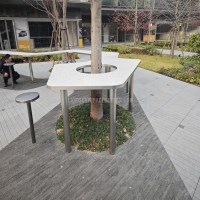
An outdoor bar counter with stainless steel and terrazzo materials in an irregular shape






