Welcome to the website for landscape facilities products and knowledge.

How does the trash can’s design accommodate different types of waste (recyclables, compost, etc.)?
Modern trash can designs have evolved to address the growing need for efficient waste segregation, catering to recyclables, compost, and general waste. Here’s how they accommodate different types of waste:
1. Compartmentalization: Many trash cans feature multiple compartments, each labeled for specific waste types like paper, plastic, or organic matter. This design encourages users to sort waste at the source, reducing contamination and simplifying recycling processes.
2. Color-Coded Bins: Using distinct colors (e.g., blue for recyclables, green for compost) helps users quickly identify where to dispose of items correctly. This visual cue is especially effective in public spaces and homes.
3. Smart Sensors and Labels: High-end models include smart sensors or digital labels that remind users which items belong in which bin, minimizing errors in waste disposal.
4. Odor Control for Compost Bins: Compartments for organic waste often come with airtight lids or charcoal filters to contain odors, making them more user-friendly.
5. Modular Designs: Some trash cans offer removable inner bins, allowing easy transport of segregated waste to larger collection points without mixing.
By integrating these features, modern trash cans not only promote sustainability but also streamline waste management, making eco-friendly practices accessible to everyone.
Related search:
Recommendation
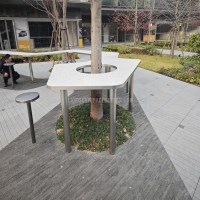
An outdoor bar counter with stainless steel and terrazzo materials in an irregular shape






