Welcome to the website for landscape facilities products and knowledge.

How does the trash can’s design discourage overfilling and littering around the bin?
Modern trash cans are engineered with innovative designs to tackle common waste management issues like overfilling and littering. One key feature is the built-in capacity indicator, which visually signals when the bin is nearing full capacity, encouraging timely disposal. Many bins also incorporate weighted or locking lids that automatically close when the trash reaches a certain level, preventing overflow and deterring animals from scattering waste.
Another effective design element is the use of narrow openings or funnel-shaped tops, which limit the amount of waste that can be inserted at once. This discourages users from stuffing oversized items or excessive trash, reducing the risk of spillage. Additionally, some bins feature anti-tip bases or secure anchoring systems to keep them stable even in windy conditions.
To combat littering around the bin, designers often include integrated ashtrays, recycling compartments, or signage that clearly labels proper disposal methods. Bins with sleek, vandal-resistant materials and easy-to-clean surfaces also promote user compliance. By combining functionality with aesthetics, these smart designs foster cleaner public spaces and more efficient waste management.
Advanced models even leverage IoT technology to alert maintenance teams when bins need emptying, ensuring consistent service. Through thoughtful engineering, modern trash cans play a crucial role in reducing environmental pollution and improving urban hygiene.
Related search:
Recommendation
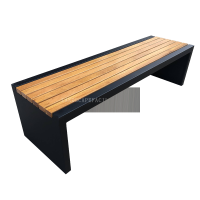
Modern Stainless Steel Begonia Wood Park Chair Outdoor Courtyard Leisure Sun Protection Bench Long Seat






