Welcome to the website for landscape facilities products and knowledge.

How does the bin’s design ensure it doesn’t become a breeding ground for bacteria?
Modern bin designs incorporate several key features to ensure they don’t become breeding grounds for bacteria. First, many high-quality bins use anti-microbial materials or coatings that actively inhibit bacterial growth on surfaces. These materials disrupt the ability of microbes to multiply, keeping the bin cleaner for longer.
Another critical design element is airtight sealing mechanisms. Lids with tight seals prevent moisture and organic waste from being exposed to air, reducing the damp environments where bacteria thrive. Some advanced bins even include carbon filters to neutralize odors and further discourage microbial activity.
Smooth, seamless interiors are also essential. Bins with fewer crevices and hard-to-reach corners make cleaning easier, eliminating spots where bacteria could hide. Many models feature removable inner buckets or liners, allowing for thorough washing or replacement.
For outdoor or high-use bins, designs often include elevated bases or ventilation to prevent stagnant water accumulation. Additionally, foot pedals or touch-free sensors minimize direct contact, reducing the transfer of bacteria from hands to the bin.
By combining these innovations, modern bins effectively break the cycle of bacterial growth, ensuring safer and more hygienic waste disposal in homes and public spaces.
Related search:
Recommendation
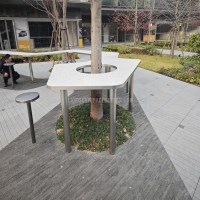
An outdoor bar counter with stainless steel and terrazzo materials in an irregular shape






